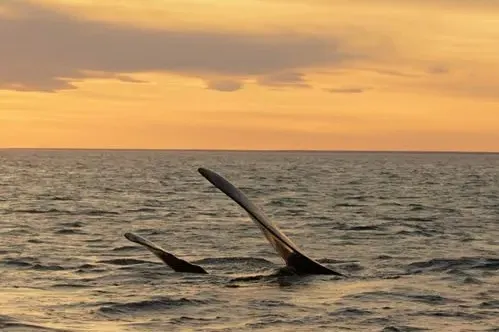
The 2026-2027 whale watching season officially opens on December 8. Until then, humpback whales have time to settle into their winter home in the warm waters of Banderas Bay, where they come to mate, give birth, and care for their calves.
For visitors, whale watching offers a memorable opportunity to see these remarkable animals in their natural environment. For Puerto Vallarta and Riviera Nayarit, it is also an important tourism activity that supports local businesses while creating opportunities to share the importance of marine conservation.
A Long Journey to Warm Water
Every year, North Pacific humpbacks leave their summer feeding grounds off Alaska and British Columbia and swim thousands of kilometers south. They spend the summer eating; they spend the winter in tropical water, where newborn calves, born without a thick layer of blubber, can stay warm while they grow.
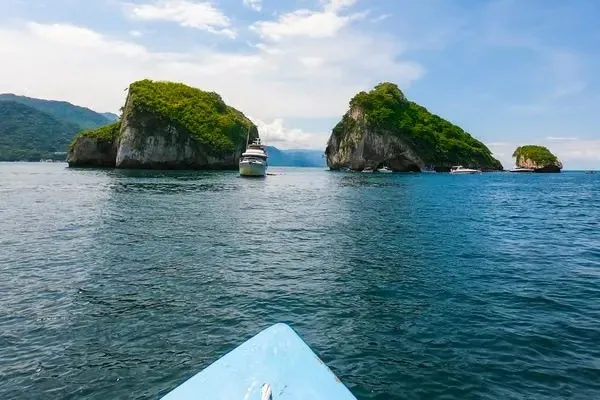
Banderas Bay is one of their favorite destinations. In an average year, somewhere between 300 and 500 humpbacks pass through the bay, and their visits are nothing new. During the colonial era, sailors knew these waters as the Bay of Humpbacks because of how many whales gathered here each winter. Today the whales spread well beyond the bay as well, along the Nayarit coast toward Punta de Mita, Sayulita, and Rincón de Guayabitos.
What You Might See
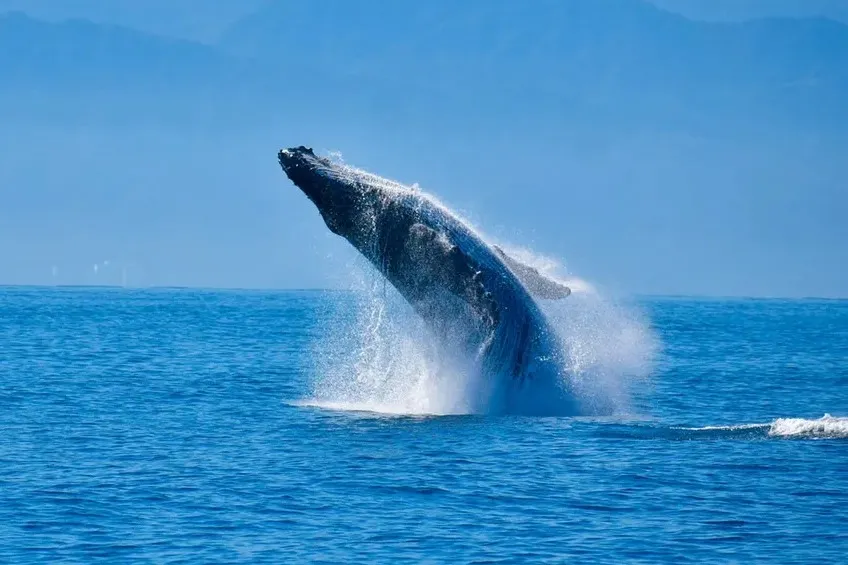
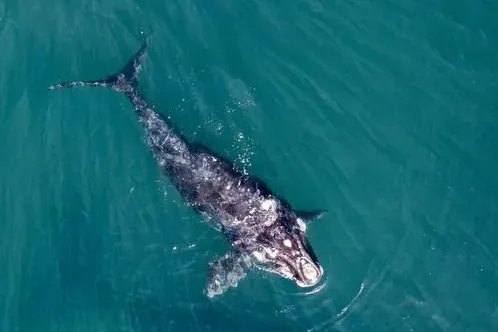
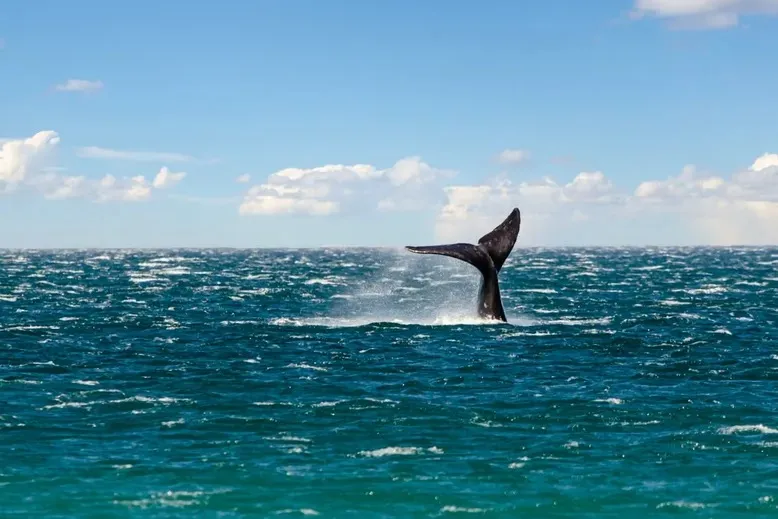
No two trips are alike, which is part of the appeal. Mothers and calves tend to stay close together and close to the surface, and watching a young calf practice breaching is one of the highlights of the season. Groups of males compete for the attention of a female, chasing, charging, and slapping the water in what researchers call competitive groups. Others lift their huge pectoral fins, slap their tails, or launch almost their entire bodies out of the water before crashing back down.
Then there is the song. Male humpbacks sing long, complex songs during the breeding season, and some tour boats carry a hydrophone so passengers can listen underwater. Hearing it in person is something many visitors remember longer than any photo.
The whales are not the only show. Bottlenose dolphins, sea turtles, manta rays, and seabirds are common sightings, and every so often a lucky boat spots orcas, which occasionally follow the humpbacks into the bay.
When to Go
The official season runs from December 8 to March 23. December is the early part of the season, when whales are still arriving and tours are a little less crowded. January through mid-February is generally considered the peak, with the most whales and the most activity. By March, many humpbacks begin heading north again, though sightings continue until the season closes.
Morning tours usually offer calmer water and softer light for photography. Bring sunscreen, a hat, a light jacket for the ride back, and patience. Whales surface on their own schedule.
Choosing a Tour
Tours leave from Marina Vallarta, the Los Muertos pier, Nuevo Vallarta, La Cruz de Huanacaxtle, Bucerías, and Punta de Mita, among other spots. Most run two to four hours, and options range from large catamarans to small boats with a handful of passengers.
Whatever style you choose, the most important thing is to book with an operator that holds a whale watching permit from SEMARNAT, Mexico's environmental ministry. Permits are issued at the start of each season, and permitted boats are required to follow federal rules designed to protect the whales. Good operators also bring trained naturalist guides, keep group sizes reasonable, and some contribute photos and data to local research programs.
You don't need a boat to see whales, either. From December through March, blows, tail slaps, and breaches are regularly spotted from the Malecón, from hillside restaurants and hotels, and from beaches all around the bay.
The Rules on the Water
Whale watching in Mexico is regulated by the official standard NOM-131-SEMARNAT-2010, which sets out how boats may approach and observe whales. Among the key points:
- Boats should approach slowly, from the side or behind, and never head straight at a whale, cut across its path, or surround a group.
- Only a limited number of boats may observe the same group of whales at one time, and time spent with each group is capped at about 30 minutes.
- Boats must keep their distance and move at reduced speed in whale watching areas, avoiding sudden changes in speed or direction.
- Private boats without a permit must stay farther away than certified tour boats.
- Swimming, diving, touching, or feeding whales is not allowed.
These rules apply to everyone on the water, including private boat owners, fishermen, and personal watercraft. Researchers in the bay have documented that heavy boat traffic and long approaches change how whales behave, especially mothers with young calves. As a passenger, you can help by choosing a permitted operator and never pressuring the captain to get closer.
Room to Breathe
With the new season approaching, the message is simple: enjoy the whales, follow the rules, and give these magnificent animals plenty of room. Responsible whale watching helps protect the humpbacks that return to Banderas Bay year after year, ensuring that future visitors can share in the experience.